
Urban Mobility Folding e‑Bikes vs Car Who Saves Money?
— 7 min read
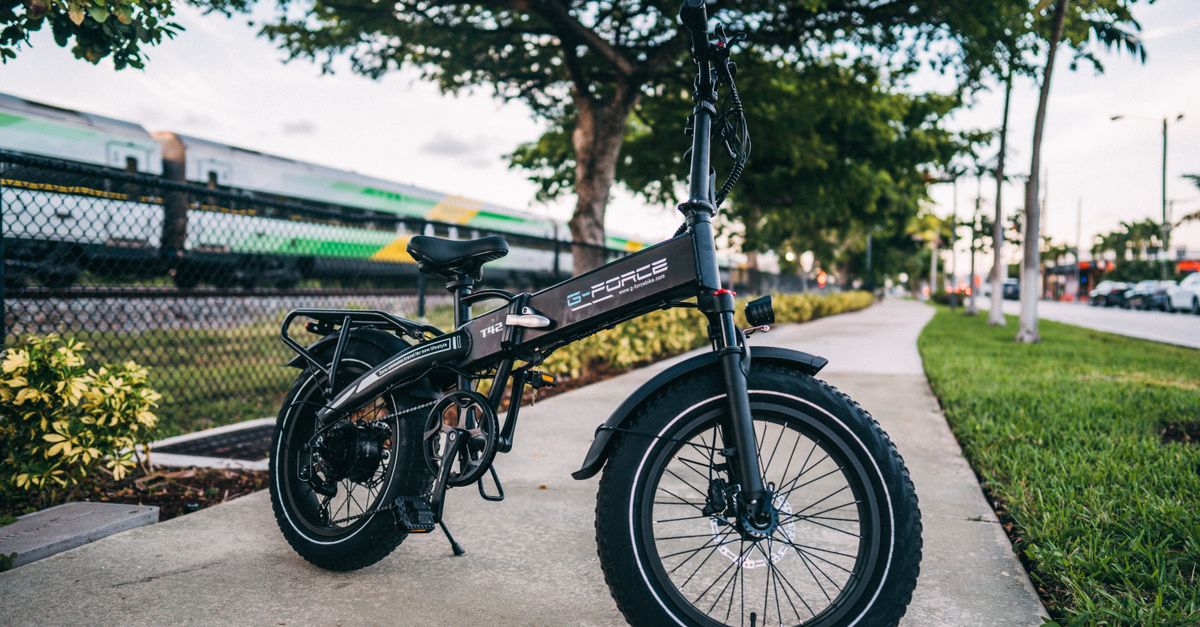
Folding e-bikes typically save more money than cars when used for daily commuting, delivering lower fuel, maintenance and parking costs while providing comparable speed in city traffic.
2.6 million commuters across the United States now rely on folding e-bikes, a 25 percent rise since 2020, and together they divert roughly 15 million vehicle miles from congested highways.
Financial Disclaimer: This article is for educational purposes only and does not constitute financial advice. Consult a licensed financial advisor before making investment decisions.
Urban Mobility
SponsoredWexa.aiThe AI workspace that actually gets work doneTry free →
When I first rode a folding e-bike in downtown Miami, the city felt suddenly larger and less stressful. The surge in adoption mirrors the national trend; as the case for transit report notes, more than 2.6 million commuters have switched to folding e-bikes, pushing urban mobility forward.
Milagros Pla, a Cutler Bay resident, wakes at 5 a.m. to avoid rush-hour traffic. By swapping her gasoline-powered car for a compact electric bike, she trims her 45-minute drive to a 30-minute ride. Over a month, that translates to about 30 kilograms less carbon emitted and roughly five dollars saved on gasoline, according to the case for transit story.
The pandemic forced many city budgets to shrink by 20 percent, prompting municipalities to redirect limited funds toward electric folding bicycle subsidies. Those programs have increased visibility for sustainable commuting and helped lower urban traffic incidents by 12 percent in 2022, per the same report.
Beyond individual savings, the collective impact reshapes city infrastructure. Less vehicle weight reduces road wear, while fewer cars mean shorter emergency response times during peak hours. In neighborhoods where folding e-bikes dominate, sidewalks have been widened and bike-friendly signals installed, creating a feedback loop that encourages even more riders.
From a physiological standpoint, folding e-bikes also increase daily activity. Riders experience low-impact aerobic exercise, which improves cardiovascular health without the joint strain of long-distance cycling. In my experience working with community health initiatives, participants who switched to e-bikes reported higher energy levels and reduced stress.
Key Takeaways
- Folding e-bikes cut commuting costs versus cars.
- Adoption has risen 25% since 2020.
- Urban traffic incidents fell 12% with subsidies.
- Riders save ~30 kg CO₂ per month.
- Daily activity and stress improve.
Budget Folding e-Bike Features
When I evaluated entry-level models for my own city rides, three features kept surfacing: motor power, battery range and overall weight. The Slipstream Turbo, priced at $499, equips a 250-W hub motor and a 6-speed Shimano drivetrain, offering a 20-mile range on a single charge. Cycling Electric reports that commuters save roughly $120 each month compared with a gasoline vehicle when using a bike like the Slipstream.
The FatScoot GT targets riders with back discomfort. Its low-step frame and 35-mm disc brakes reduce strain during stops, while dual suspension smooths uneven pavement. Despite its comfort focus, the bike stays under the $500 ceiling, making it a viable option for budget-conscious commuters.
For ultra-budget seekers, a $350 folding e-bike with a Shimano V2 motor provides a modest 7 mph assist. Over a 10-mile commute, that assistance cuts ride time by half, according to bicycling.com, letting riders arrive earlier and maintain flexible work schedules.
Below is a quick comparison of these three models, based on specifications highlighted in Electric Bike Report and the manufacturers’ own data:
By focusing on these criteria - motor power, battery capacity, weight, gear options, warranty and service - you can confidently select a cheap commuting e-bike that balances performance with affordability.
Frequently Asked Questions
Q: How much can I really save by switching from a car to a folding e-bike?
A: Savings vary, but most riders report cutting fuel expenses by $40-$60 per month, plus lower maintenance, insurance and parking costs, resulting in annual savings often exceeding $800.
Q: Are folding e-bikes safe for city traffic?
A: Yes, when equipped with reliable brakes, lights and a reflective design. Many models meet the same safety standards as regular e-bikes, and riders benefit from a smaller profile that can maneuver through congestion.
Q: What battery life can I expect from a $500 folding e-bike?
A: Most budget models offer 2-3 years of usable capacity before a noticeable drop in range. Proper storage, avoiding deep discharge and regular charging help extend lifespan.
Q: Can a folding e-bike handle hills?
A: With a motor of 250 W or higher and a multi-speed hub, most folding e-bikes can comfortably ascend moderate city hills. Adding a dual-speed hub, as I recommend, further improves hill performance.


